The Fascinating Way Cats Walk
Cat Curiosities...

Cat Curiosities...
• Posted Sep 27 • 2024.
Cats are perfect—we already know that. But have you ever noticed their walk, so elegant and unique? You've probably seen it. Stay and read why we love that distinctive stride.
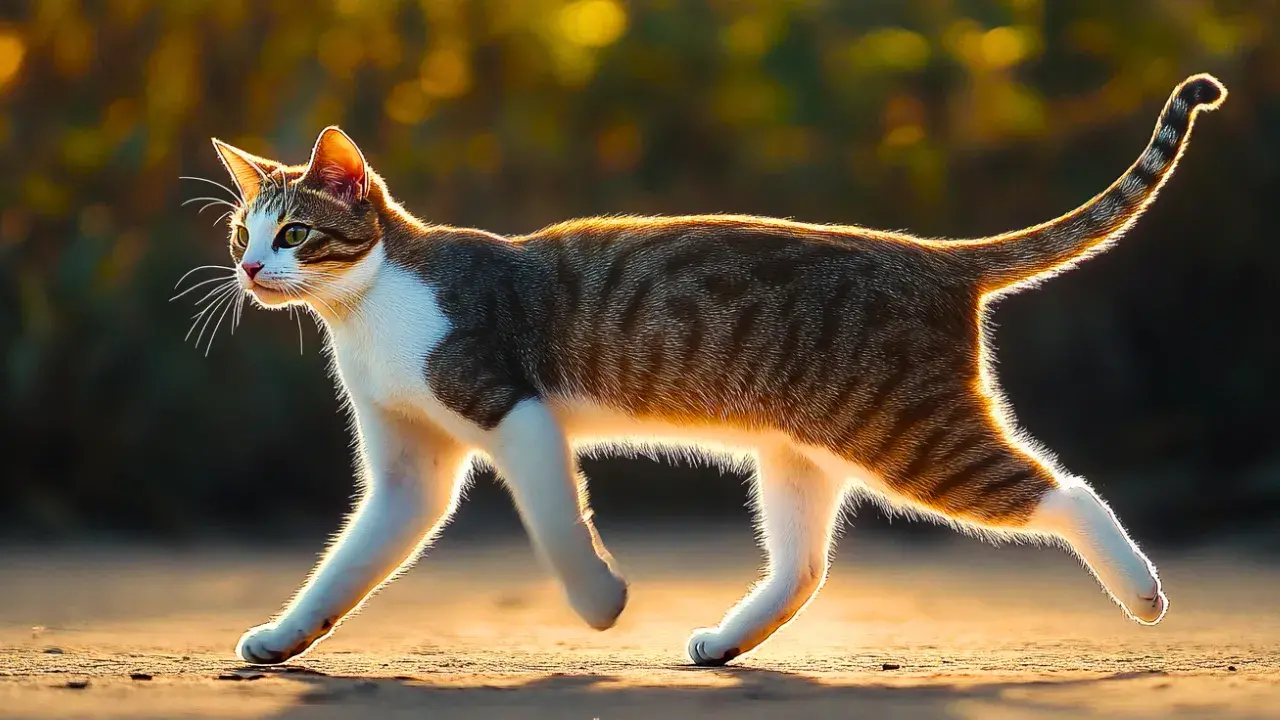
This is one of the most fascinating yet curiously lesser-known aspects about cats, even though it’s in plain sight. Cats don’t walk the same way most animals do—of course, they’re superior even in this! Their walk is special and also serves a functional purpose, known as "direct registering" or "pacing." This style of locomotion is shared by only a few animals—none of them household pets—such as camels and giraffes.
In "direct registering," cats move the front and rear legs on the same side of the body simultaneously before moving the legs on the opposite side. In other words, if the cat is moving its front right paw, it will also move its back right paw at the same time, then both paws on the left side. This movement pattern is quite rare in the animal kingdom since most mammals move their legs diagonally (front right with back left, and vice versa). This just goes to show that they’re not only beautiful but superior too—but you already knew that!
It’s not just that they look elegant when they walk; this unique way of walking gives cats several advantages. Remember, they’re perfectly adapted for both hunting and avoiding predators. The primary reason behind this special feline gait is that it provides them with exceptional stability and stealth. When they move the legs on the same side at the same time, their center of gravity remains in a straight line, allowing them to be incredibly precise in their movements and minimize body sway. Amazing, right?
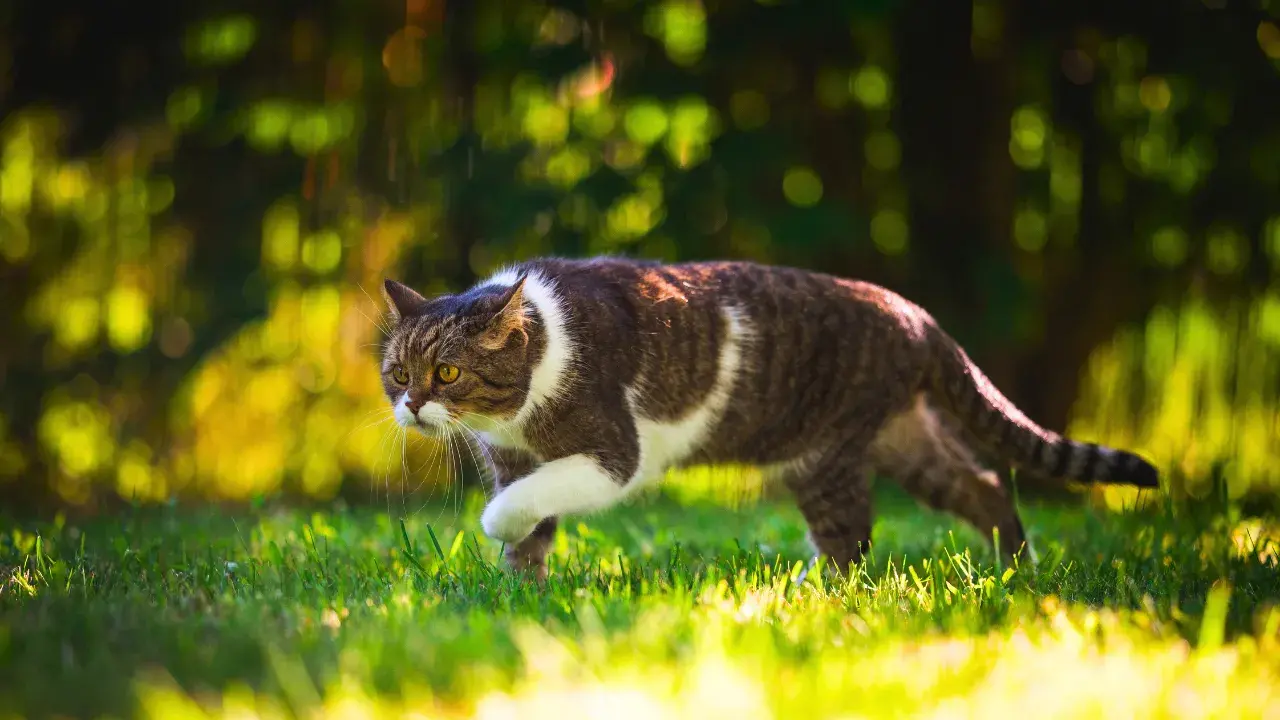
Cats are natural-born hunters, and we know their "direct registering" walk enhances their stalking ability. This walking style allows them to move extremely quietly because, by keeping their movements more stable, they can glide through their surroundings without making a sound—an incredibly valuable skill for feline predators. This is particularly useful when hunting small prey or in situations where they need to approach stealthily without being detected, like when there are mice in the house. Their soft steps and stable gait allow them to maneuver without alerting their prey.
Continuing from the previous point, this "direct registering" walk not only allows them to move silently but also gives them greater precision in their hunting movements. The combination of stealth and precision in their calculated movements gives cats an advantage when it comes to striking. We’ve all seen it—how they can get as close as possible without being detected, like when they spot a mouse to keep their home protected.
"Direct registering" is closely related to stealth and hunting, but it also prepares the cat for a quick burst of speed when necessary—whether to finish the hunt or escape from a larger predator. Cats can shift from a quiet stalk to an explosive sprint in mere seconds, thanks to this walk that provides them enviable stability, allowing them to change their speed and direction very quickly.
In conclusion, I honestly didn’t know that this type of walking was so unique to cats, at least among domestic animals. I’ve always admired their graceful and elegant walk, but now I know—and we know—that it’s part of their evolutionary tools that give them more stealth, precision, and speed, making them such excellent hunters. Once they hunted mammoths, now they hunt mice, but hunting is hunting. Don’t you think?
Because I Love My Cats.