The Purrfect Mystery: Why Do Cats Purr?
Cat Behavior...
Cat Behavior...
• Posted Sep 24 • 2024.
Admit it, you love it when your cat turns on their motor and starts to purr. Don’t deny it, the rhythm, tone, and vibrations of a cat purring are almost magical. It’s not just charming; it’s fascinating. But have you ever wondered why they purr or how they do it? I have too! Let’s find out together.
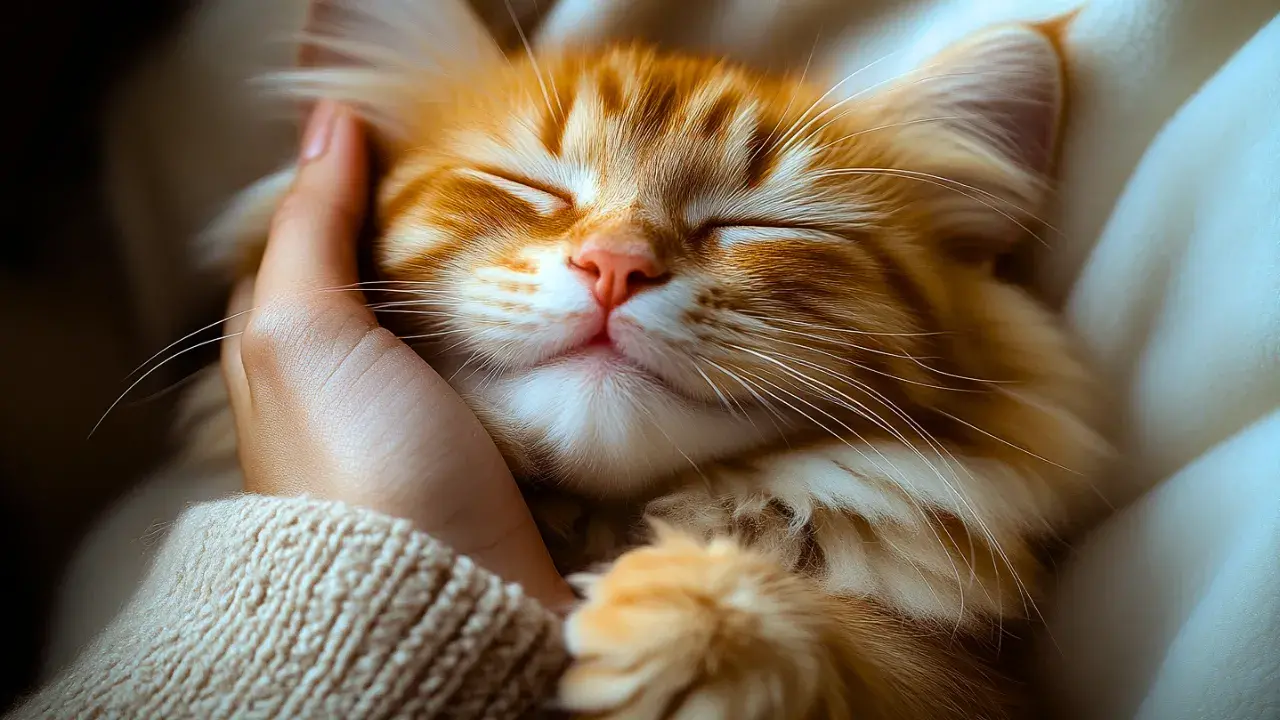
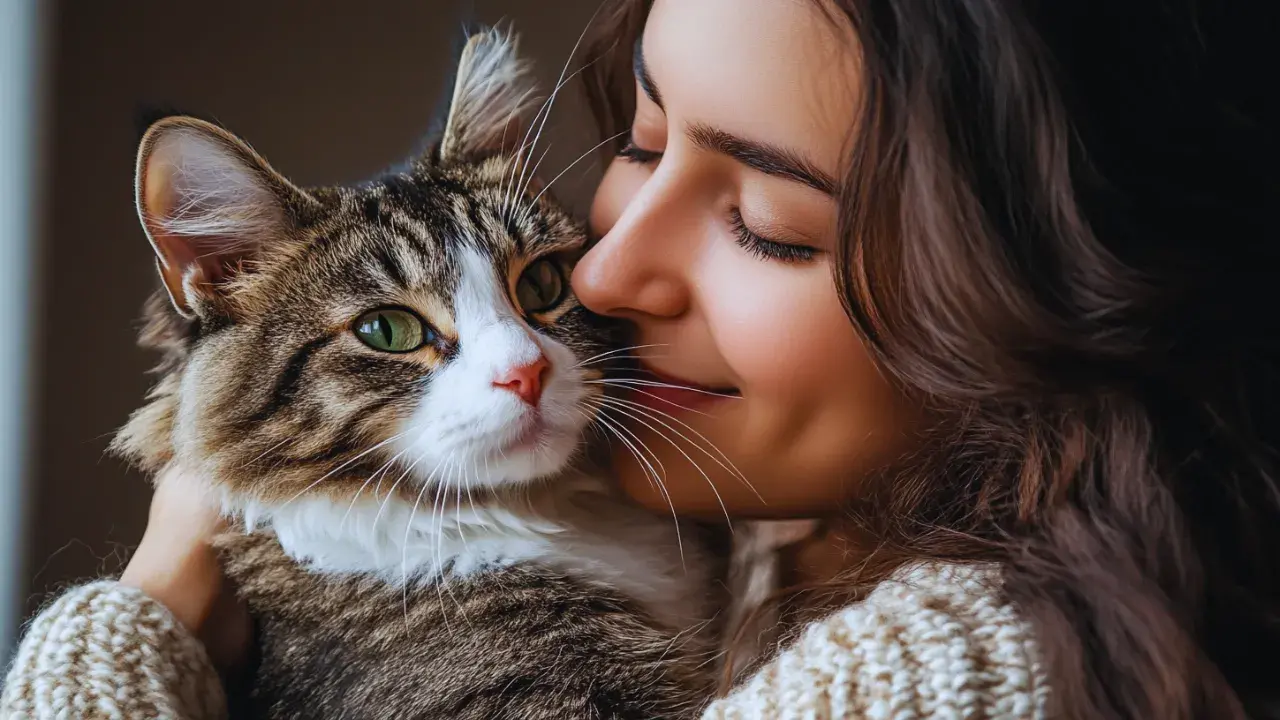
Cats purr for various reasons, the most common and easily understood one being to show that they are happy, comfortable, and safe. This is a magical moment between a cat and their human, where they share affection and closeness, accompanied by the soft and sweet melody of their purring. Mainly, your cat purrs because they are happy by your side. Congratulations on that!
Why Do Cats Purr? They are happy
But interestingly, they also purr when they are nervous or scared. They do this to calm themselves, much like when we hum a song to relieve stress. We know it works, because when we are anxious or nervous, and our cat comes close and purrs, it helps soothe us. I can personally attest to this, and I know many cat lovers can relate as well.
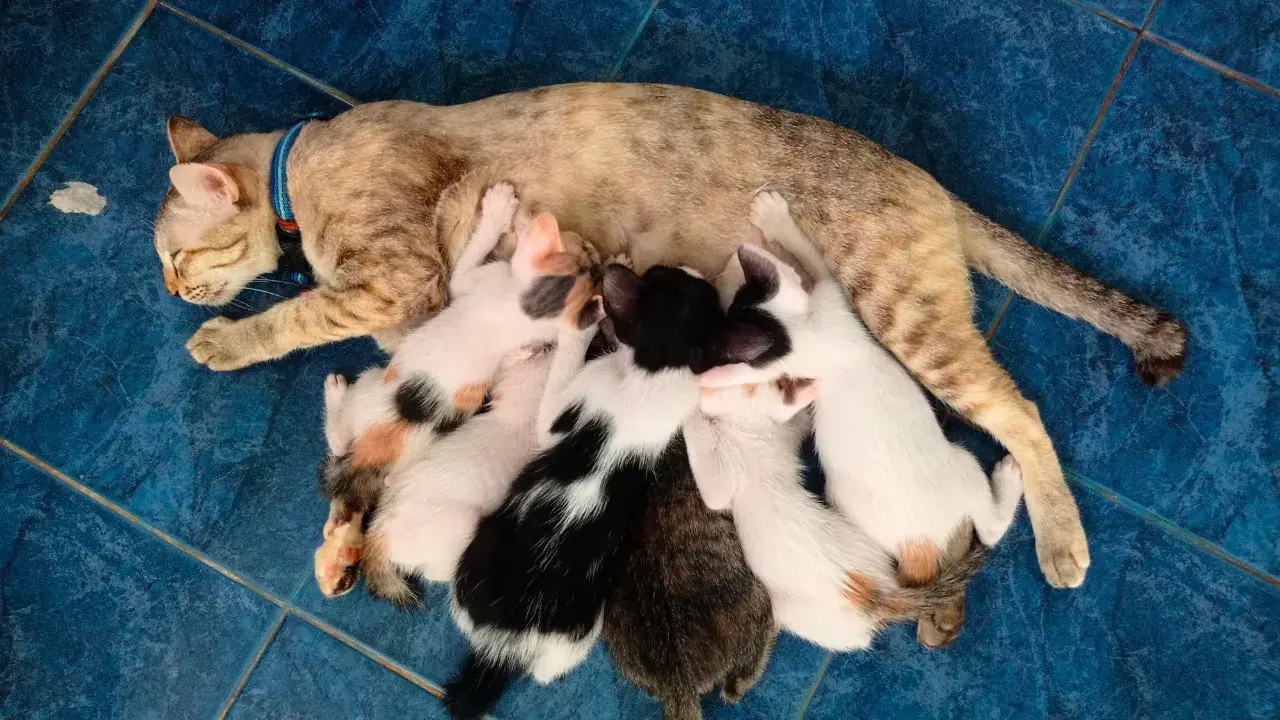
Another reason is communication with their kittens. If you've had a mother cat with her kittens at home, you might have noticed that the mother purrs while nursing to help the kittens locate her and also to make them feel calm and safe while feeding. As they grow, cats also use purring to get their human’s attention, like when they want food or affection.
A more scientific reason is that studies suggest the vibrations of purring (between 25 and 150 Hertz) may have healing properties, helping to reduce pain and promote the healing of bones and tissues. Based on this, when your cat purrs, they might not only be relaxing but also healing themselves. Honestly, I’m not sure how valid or confirmed this specific theory is, but I can say with certainty that purring helps both cats and humans relax. Of that, I have no doubt.
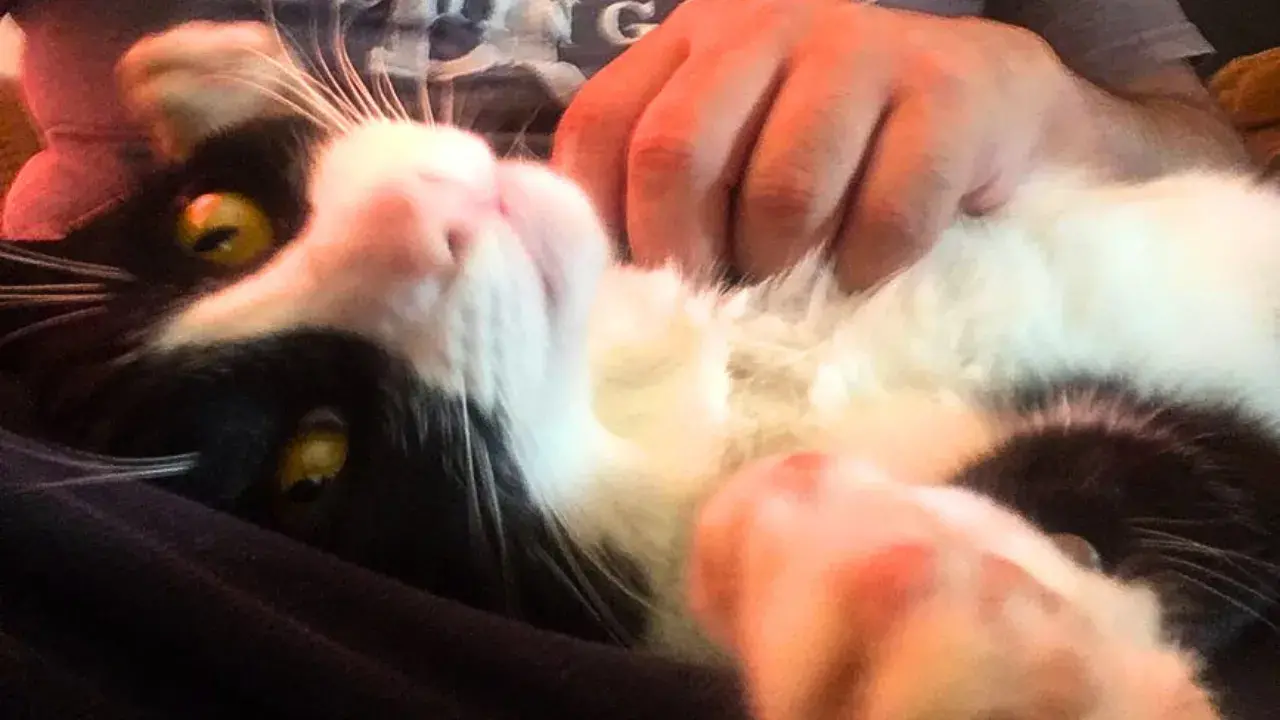
Well, as a cat lover for decades, I can say from my own experience that cats purr when they need something from you, like love or food, or when they are happy and relaxed. But this is usually something adult cats do. I've had young kittens that would purr just by seeing you or hearing their name. For example, my Mortimer, when he was little, would start purring as soon as he saw me or heard me call him, with full force, as if he couldn’t control it. It was adorable to see and hear. As he grew up and became an adult, he only purrs now when I’m giving him love in my lap, as if he finally learned to control it.
As always, every cat is different. Another one of my current cats, Vannellope, beautiful as few, has always been hard to hear purring. Even when she’s receiving full-on love, she purrs very rarely, so when she does, I appreciate it so much.
Lastly, my third current cat, Valentina, used to purr very little, but now that she’s a senior, at 11 years old, she purrs quite often. Almost every day, she purrs when she's with me, whether sitting on my lap or lying next to me. I get the sense that, being a senior, she has more time and desire to relax, and purring comes out of her like never before. I’m so happy about that.
I know I’m not the only one who's noticed these differences, which confirms the unique and distinctive character of each cat, even in the magical act of purring. In fact, not all cats purr exactly the same. Some have one tone, others another. Some, like my Vannellope, are barely audible, but you can definitely feel the vibrations in their little bellies.
I know it happens, but personally, I haven’t heard my cats purr when they’re physically unwell. But if I approach them to be with them, they do start purring. As for kittens, I have seen it—the mother purrs to calm them and guide them to feed, and it’s beautiful to witness.
What I do know is that when I’m tense or anxious, my female cats sense it, because they come over and try to comfort me, either with gentle headbutts, soft touches, or their purring. Once again, I can attest that a cat’s purr helps you relax. I know it’s not magic, but science, and it has to do with the vibrations and the tone. I don’t know the exact details, but it definitely works. And if you have cats, you know I’m not lying.
Well, according to science, this happens because cats activate certain muscles in their larynx, which make the vocal cords vibrate as they inhale and exhale. You’ve probably noticed that purring is linked to their breathing. It’s these vibrations, combined with the movement of the diaphragm, that produce the characteristic sound of purring—like a little motor, a furry little motor. The entire process is controlled by their central nervous system, allowing cats to purr continuously for as long as they want.
In conclusion, cats have many ways to show affection, despite what some people may say about them not being loving creatures. Purring is one of the clearest signs of happiness, relaxation, closeness, and affection your cat can give. So basically, the main reason your cat purrs is because they’re happy.
Because I Love My Cats.