Why do cats sleep so much?
Cats Behavior...

Cats Behavior...
• Posted Oct 11 • 2024.
Surprise, surprise—cats are real sleepyheads! All of us cat lovers know that our furry friends are some of the sleepiest creatures we’ve ever met, sleeping most of the day. But contrary to what many think, it’s not because they’re lazy—quite the opposite! So, why do cats sleep so much? Let’s find out.
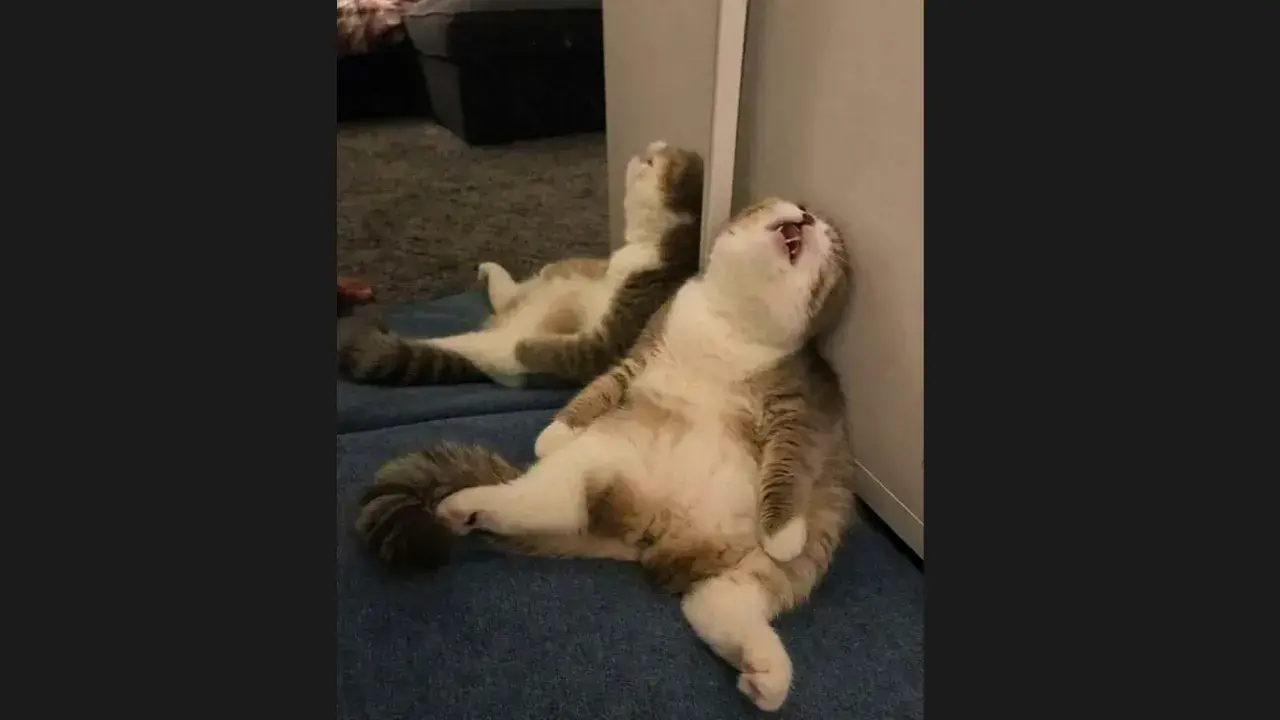
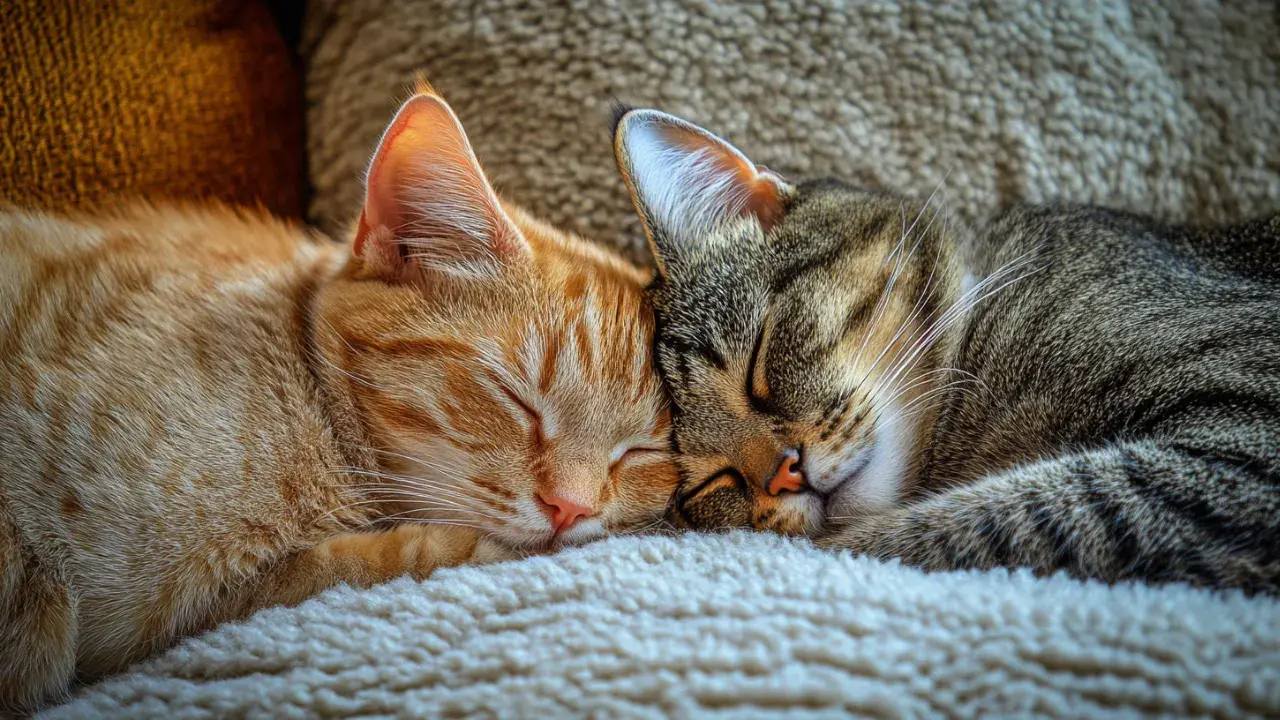
Wow, our cats sure love to sleep! They enjoy sleeping most of the day, usually between 12 and 16 hours, or sometimes even more. But why do they do that? It’s not because they’re lazy, and while it might seem like a lot of sleep to us, they have a very important biological reason that ties back to their deep, ancient instincts as hunters.
Cats are crepuscular animals, meaning they are most active during dawn and dusk. This behavior dates back to their wild ancestors, where, in nature, this pattern allowed them to make the most of the times when their prey was also most active. For big wild cats, that might mean zebras or antelopes, but for our furry companions, it might mean rodents—or just running wildly around the house. So, during the day, cats rest in a state that allows them to conserve energy for their most active moments.
Again, it’s not because they’re lazy! This sleep-activity cycle is directly linked to their evolution as predators. In the wild, big cats hunt to survive, with no one handing them cans of food. Hunting requires a lot of energy, so to ensure they have the strength and agility needed for the hunt, wild cats rest for long periods to conserve energy. Even domestic cats, who don’t need to hunt for their meals—because they have their human “servants”—still follow this sleep pattern, as it’s deeply ingrained in their instincts and biology.
Like other species, cats’ sleep is divided into two phases: light sleep and deep sleep. Most of the time, cats are in a light sleep phase, with their senses still active and ready to react to any danger or movement nearby, even if they seem to be sound asleep. Cats can easily move in and out of light sleep, which is why you’ll see them wake up quickly at the sound of a sudden noise or movement around the house, like a dish falling or a door opening—or, of course, when you’re about to serve their food.
However, about 25% of the time, cats do enter deep sleep, which is similar to REM sleep in humans—truly deep rest. It’s during this deep sleep stage that cats actually rest and recover their energy. So, while they may seem to sleep a lot, much of that time is spent in light sleep, conserving energy. But when they enter deep sleep, that’s when they really recharge and restore their energy.
Our furry friends have us, so they don’t need to hunt to survive, although some still do, proving that their hunting instincts are very much alive. But in the wild, felines have to be extremely efficient when hunting because their prey is fast and evasive. Hunting requires quick bursts of energy and fast, precise movements, so they conserve energy by sleeping during the day—it’s not laziness. Even at home—and we all know this is true—cats keep this behavior. After playing, running, or climbing trees or engaging in any intense activity, it’s completely normal to see our cats take long naps.
This is why, many times, our cats are running around, playing, and making noise while we’re asleep—they’ve already slept and need to burn off that energy.
Sleep not only helps them conserve energy but also, during deep sleep, the cat’s body repairs and regenerates. Their immune system gets stronger, and their muscles and tissues heal and renew, keeping our felines in top shape, which is why they are often healthier than dogs. On top of that, sleep plays a big role in stress regulation. Cats that sleep well are calmer and have better behavior—and in this, they’re very much like humans, wouldn’t you agree? Because who’s in a good mood without a good night’s sleep? It’s hard, whether you’re a cat or a human.
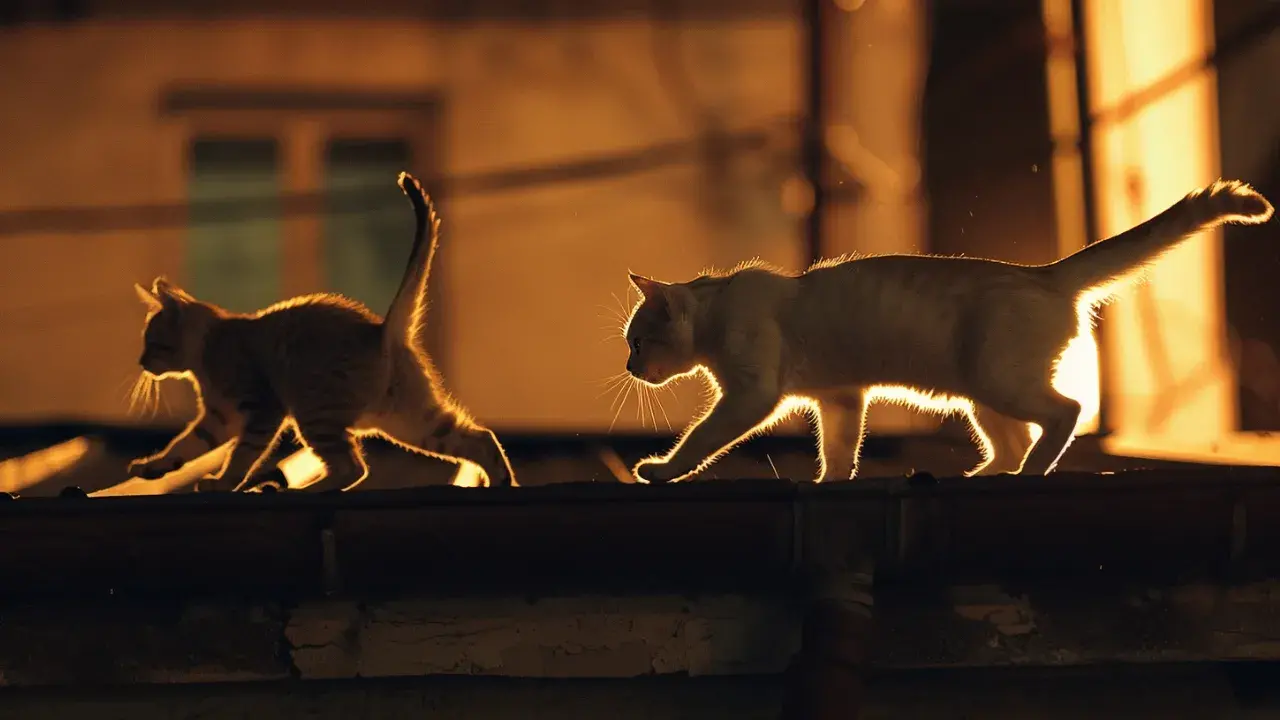
You might have wondered, as I did, why your cats seem so active at night—often running around the house or on the roof, or playing while everyone else is asleep. As mentioned earlier, this is simply a reflection of their crepuscular habits. They sleep most of the day, so their biological clock tells them it’s time to be active during the hours of dawn and dusk.
It’s normal for cats to be much more mischievous at night, but the good news is that if it bothers you, it’s possible to influence that behavior. The tip for you is to play with them in the afternoon or provide them with toys to burn off their energy, so they get tired and are more likely to sleep at night instead of causing a ruckus. This, as the moms reading this will know, is similar to what you do with babies to help them sleep through the night. Because that’s what cats are—babies with whiskers and tails.
In conclusion, cats are sleepy by nature because of their hunting instincts, not because they’re lazy. There are too many years of instincts within them to ignore. Plus, remember they are relatively small animals, so how much energy can they store in that little body? They truly need many hours of rest to be as active as they are—cats, after all.
Because I Love My Cats.